
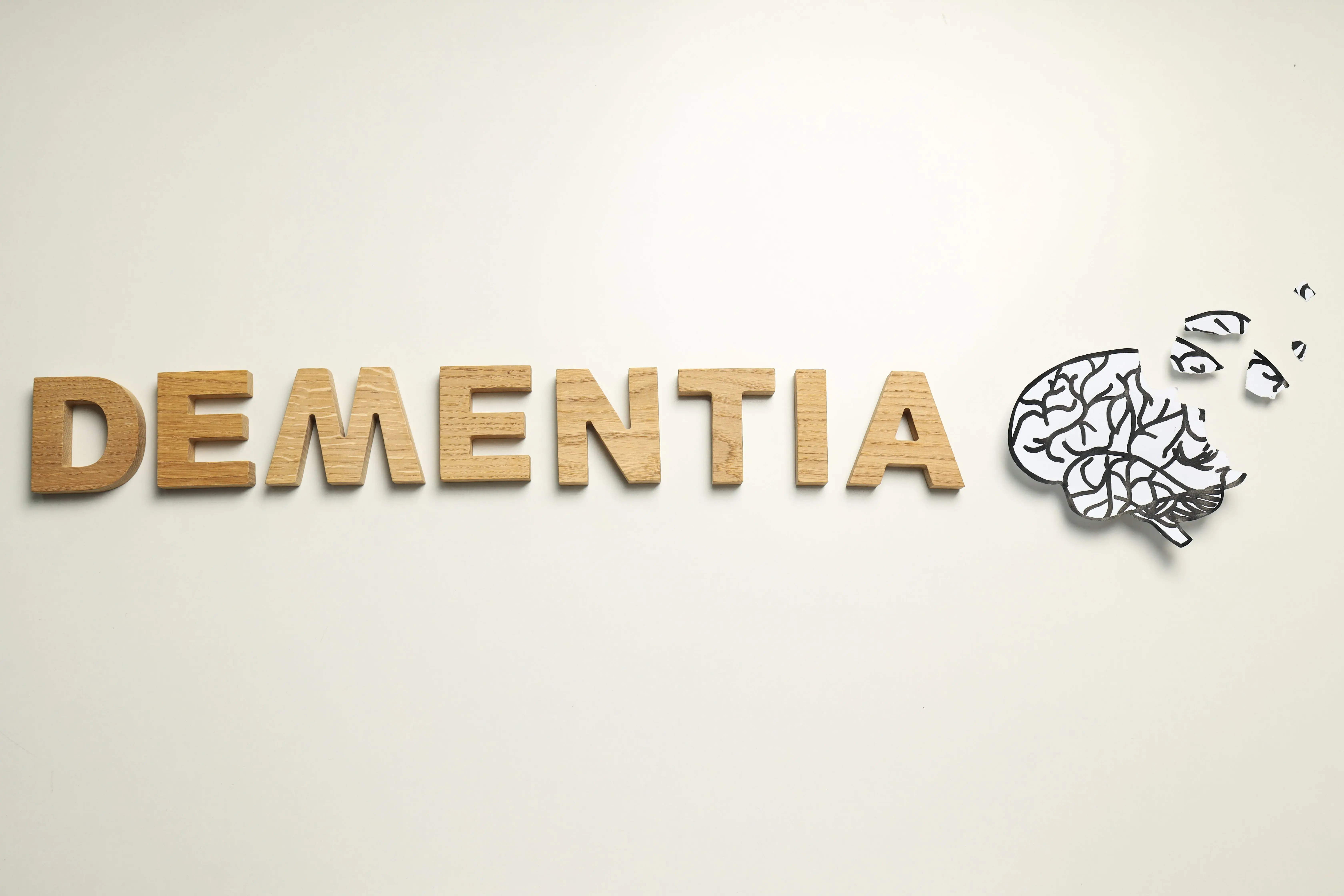

New research is highlighting several unexpected factors that may be linked to a lower risk of dementia in older adults.
A study from Brown University found that older people who received the Shingrix shingles vaccine had a 24 percent lower risk of being diagnosed with dementia over four years. The findings add to growing interest in the potential benefits of shingles vaccination beyond preventing the painful viral infection.
Hormone replacement therapy (HRT) may also play a role in protecting brain health. Research published in Alzheimer’s & Dementia found that HRT was associated with a lower risk of dementia, particularly among postmenopausal women. Women with lower lifetime exposure to estrogen, such as those who experienced later first periods or earlier menopause, appeared to benefit most, with a 16 percent lower risk of dementia.
Perhaps most surprisingly, another study published in Neurology suggests that eating high-fat dairy products may be associated with better brain health. Researchers found that people who ate 50 grams or more of high-fat cheese per day had a 13 percent lower risk of developing dementia compared with those who ate less than 15 grams daily.
While these findings are promising, researchers stress that associations do not necessarily prove cause and effect. More research is needed to understand whether vaccines, hormone therapy or specific foods can directly reduce dementia risk.