

Three Health Facts You Shouldn’t Ignore

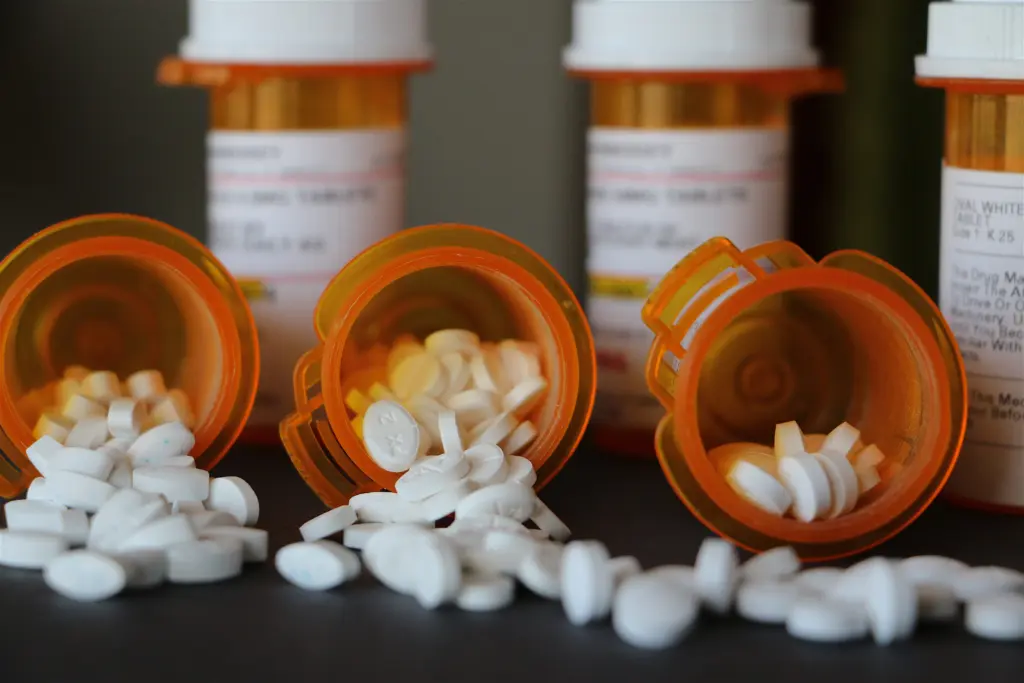
Many of us take prescription medications, but fewer people realize that what’s on your plate can change how those drugs work. Grapefruit, for example, interferes with more than 50 medications, including statins, immunosuppressants, and anti-anxiety drugs. Milk can make it harder for your body to absorb certain antibiotics, and cruciferous vegetables like broccoli, kale, and Brussels sprouts may affect medications used to treat or prevent blood clots. If you have concerns about food–drug interactions, your pharmacist is a great place to start.
Another critical health fact: every 40 seconds, someone in the United States has a stroke, according to the CDC. Knowing the warning signs can save a life. Neurologists recommend remembering the acronym BE FAST: Balance, Eyes, Face, Arm, Speech, and Time. Watch for sudden changes in any of these areas, and remember that time is crucial. If you suspect a stroke, call 9-1-1 immediately.
Finally, stress doesn’t just affect how you feel—it can show up on your skin. Beyond headaches or stomach aches, stress can trigger hives, rashes, fever blisters, and flare-ups of conditions like psoriasis, rosacea, and eczema. Managing stress isn’t just about peace of mind; it’s an important part of overall health.