

Winter Wellness: Hidden Health Risks of Cold Weather and How to Stay Safe

Julie Kislev julia1272@hotmail.com
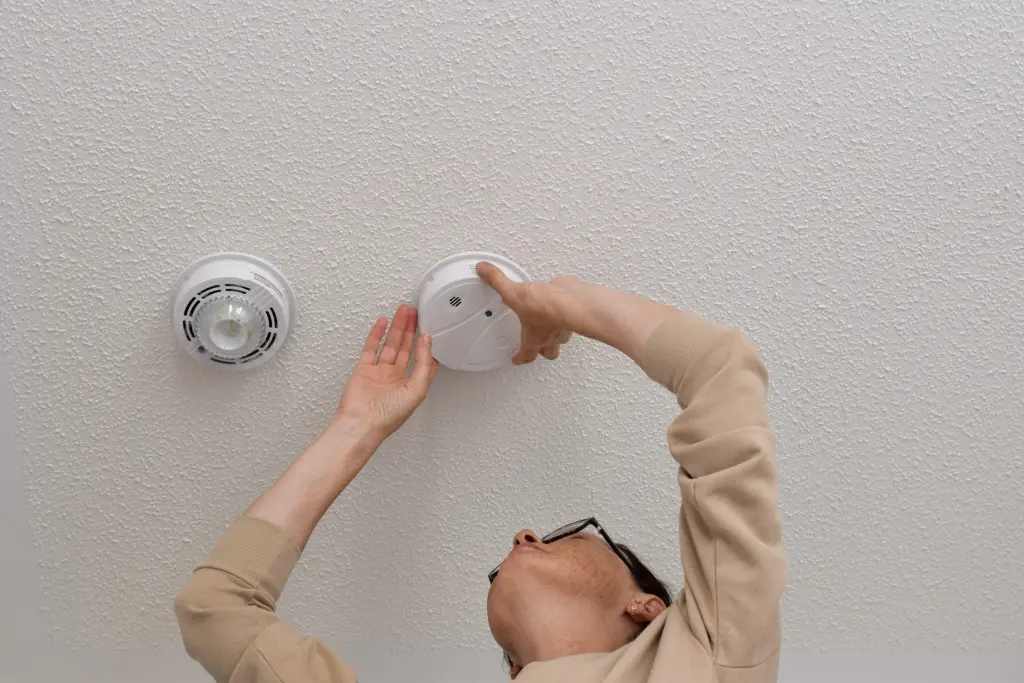
As colder weather sets in, staying safe and healthy goes beyond bundling up. Emergency Medicine physician Dr. Thomas Waters urges people to check their carbon monoxide detectors, especially as heaters and fireplaces are used more frequently. Carbon monoxide is a colorless, odorless, and tasteless gas that can cause serious health problems—and even be fatal—if it goes undetected.
You may have also heard the old warning: “Don’t go outside in the cold, or you’ll get sick.” While it’s a common belief, healthcare professionals say cold weather itself doesn’t directly cause illness. However, lower temperatures can dry out the nose and throat, making it easier for viruses to enter the body. So while the cold isn’t the culprit, taking precautions like staying warm and washing hands is still important.
Another hidden risk of winter is loneliness. When colder temperatures keep people indoors, social isolation can increase. The CDC reports that about one in three people experience loneliness, which psychologists say can lead to stress and raise the risk of serious conditions such as heart disease, stroke, and dementia. Loneliness can also affect brain health. The takeaway: stay connected. Volunteering, joining a class, or finding other ways to interact with others can make a meaningful difference during the winter months.
Julie Kislev julia1272@hotmail.com