

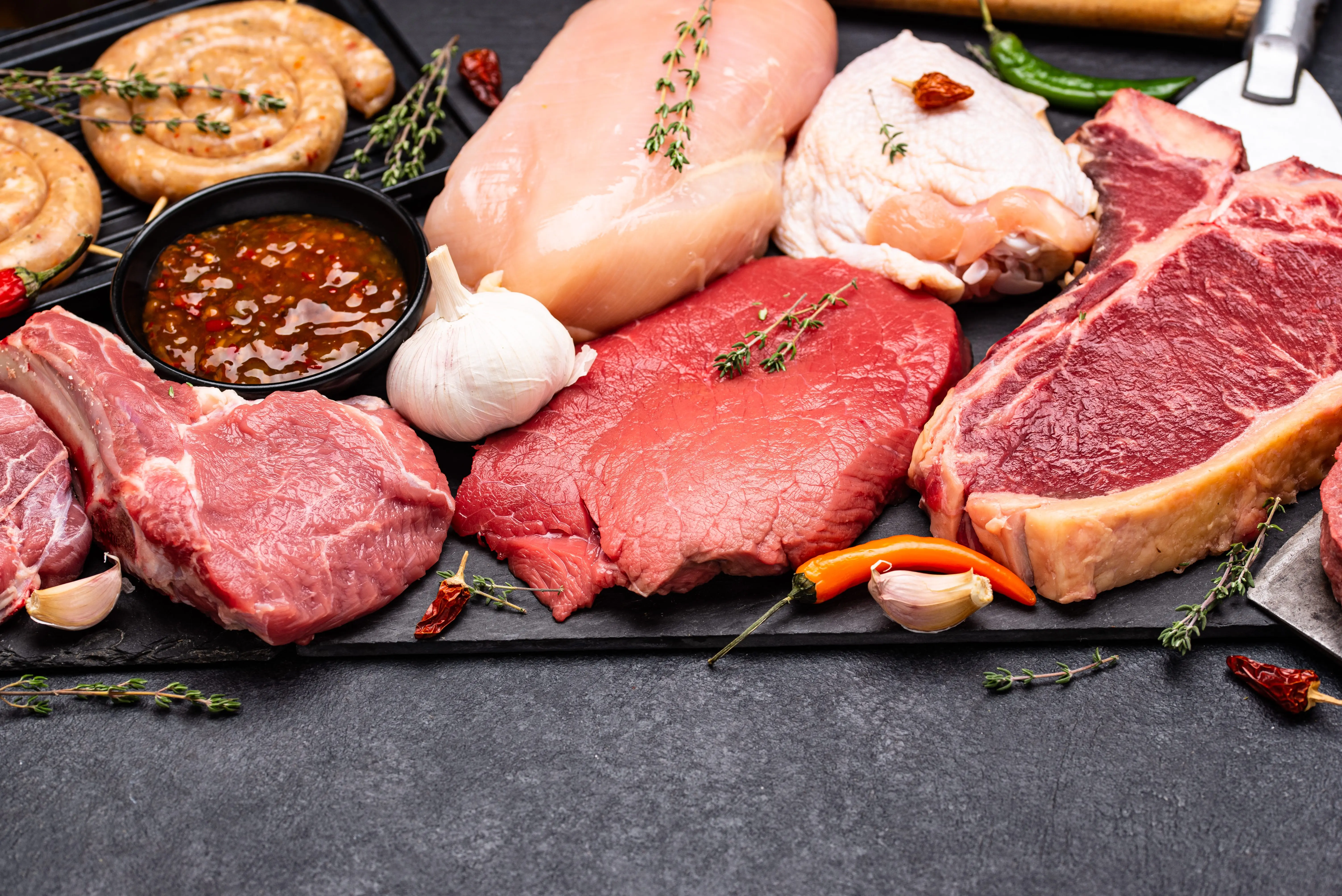

A new survey from food industry group "The Meat Institute" finds that more than 75 percent of Americans now view meat as part of a healthy, balanced diet-up significantly from 64 percent in 2020. The report also highlights a growing effort among consumers to prepare more meals with meat or poultry, largely driven by a desire to meet daily protein goals.
At the same time, emerging research is shedding light on how weight gain earlier in life can have lasting consequences. A Swedish study from Lund University reports that developing obesity in early adulthood may substantially increase the risk of premature death from major conditions such as heart disease and diabetes. Researchers found that individuals who became obese between the ages of 17 and 29 faced a 70 percent higher risk of early death. The findings also suggest that the longer excess weight is carried, the greater the potential damage to overall health.
Adding another dimension to the conversation, scientists are also examining how meal timing may influence weight. A study from the Barcelona Institute for Global Health indicates that people who fast longer overnight and eat breakfast earlier in the day tend to have lower body mass indexes (BMI). Researchers believe this pattern may better align with the body’s internal clock, potentially supporting healthier metabolism and weight management.
Together, these findings point to a complex relationship between what we eat, when we eat, and how lifestyle choices over time can shape long-term health.