


Medical advice, life transitions, and even childhood habits are getting a fresh look from researchers, revealing surprising gaps between recommendations and reality-and a few potential upsides along the way.
Doctors often encourage patients with hypertension to monitor their blood pressure at home using electronic cuffs, which are widely available and easy to use. But new research from Mass General Brigham suggests that even with personalized education and support, most patients struggle to take regular readings. Researchers are now digging deeper into the specific barriers-ranging from daily routines to motivation-that make consistent home monitoring difficult.
Meanwhile, scientists at the University of Cambridge are shedding new light on why menopause can be such a challenging transition. Beyond well-known symptoms like sleep disturbances, mood changes, memory lapses, and attention issues, the team has found that menopause is associated with a loss of grey matter in the brain. Because grey matter plays a central role in the nervous system, this decline may help explain many of the cognitive and emotional side effects women report during this stage of life.
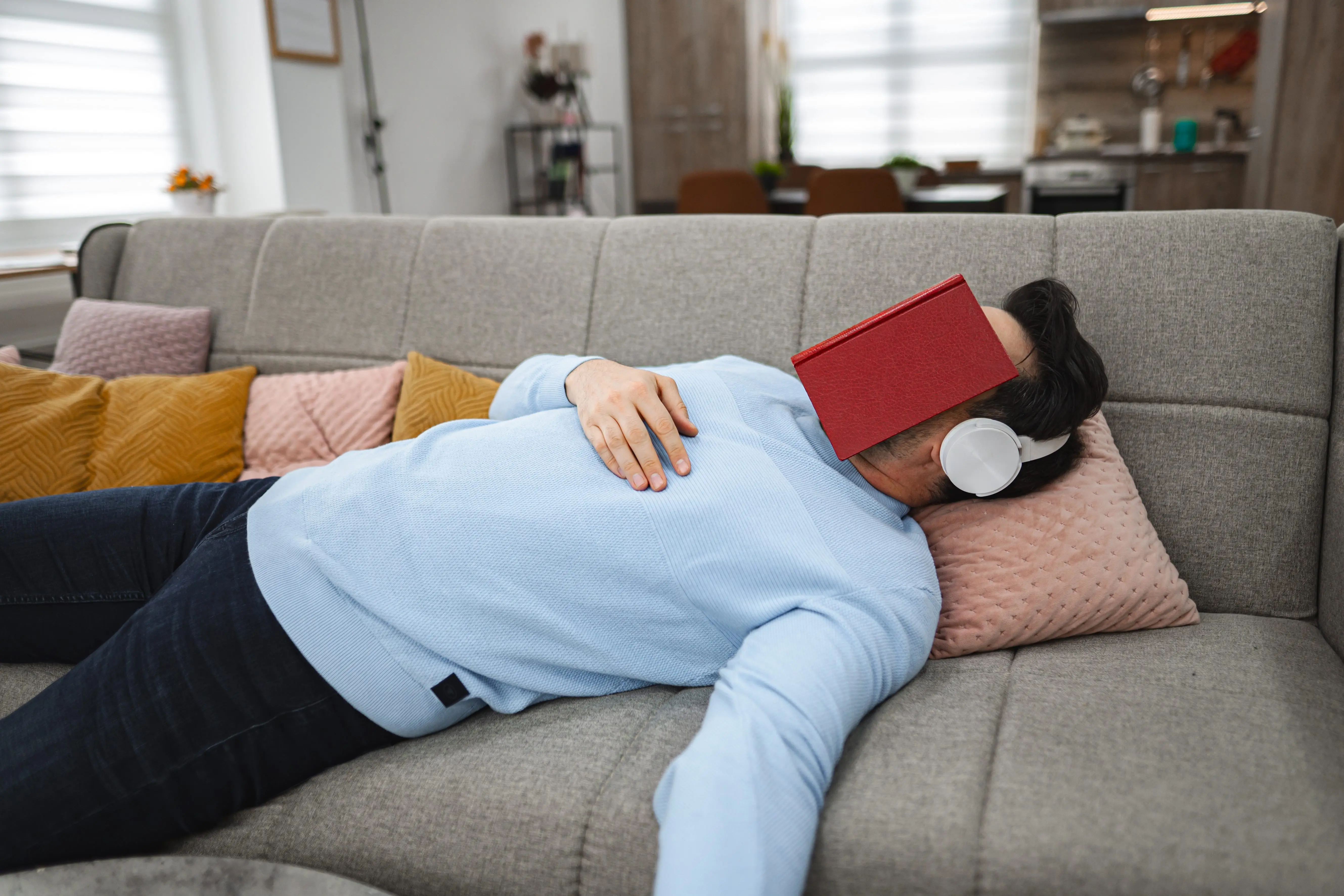
And in a more encouraging finding, researchers in Germany say one childhood habit may deserve a comeback: the afternoon nap. A study published in the journal NeuroImage found that short daytime naps can help clear the brain and improve learning ability-even in adults. So if you’ve ever been tempted to lobby your boss for nap mats at work, science may finally be on your side.