

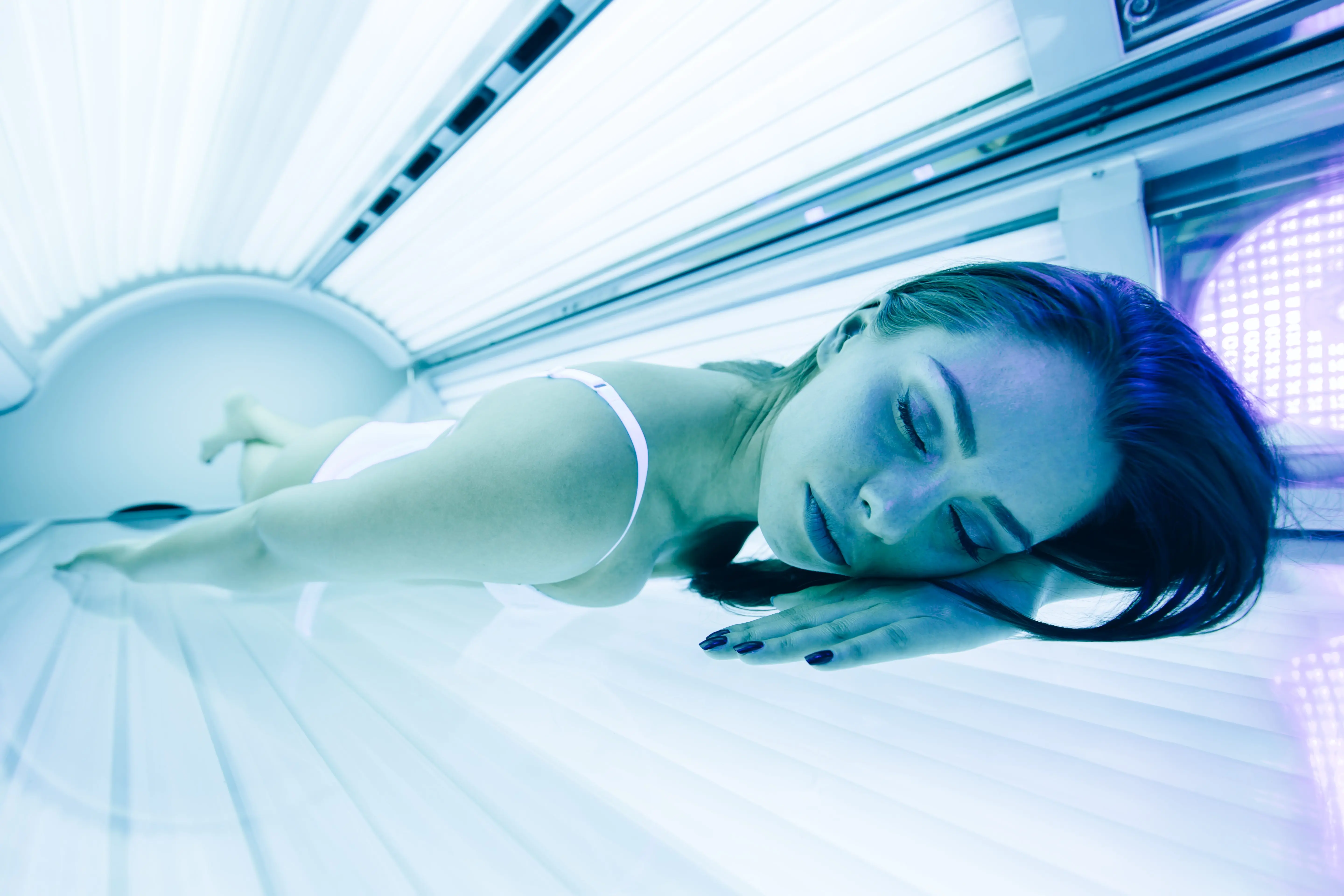

If you’re thinking about getting a “base tan” before vacation to prevent sunburn, dermatologists have a clear message: don’t. A pre-trip visit to a tanning salon isn’t just unnecessary - it’s unsafe. Tanning beds emit ultraviolet (UV) radiation that damages the skin, accelerating aging and causing wrinkles. More importantly, indoor tanning significantly raises the risk of skin cancer, including basal cell carcinoma and squamous cell carcinoma, the two most common forms of the disease. A so-called base tan offers minimal protection against burning and comes at a serious cost to your long-term skin health.
When it comes to sleep, precision may matter more than you think. According to research published in the BMJ, 7 hours and 18 minutes is the “sweet spot” for lowering the risk of type 2 diabetes. Researchers found that this specific duration was optimal for reducing the likelihood of insulin resistance - a precursor to type 2 diabetes. The study also noted that trying to “catch up” on sleep over the weekend may actually backfire, as irregular sleep patterns were associated with impaired glucose metabolism.
And that extra bounce in your step when you’re feeling happy? Scientists at the University of Colorado Boulder say you can thank dopamine. This brain chemical, closely tied to reward and pleasure, appears to influence movement as well as mood. Because dopamine plays a key role in motor function, researchers believe their findings could have meaningful implications for people living with Parkinson's Disease, a condition marked by dopamine loss and movement difficulties.
From protecting your skin to optimizing sleep and understanding the science of happiness, small daily choices - and the biology behind them - can have a powerful impact on your long-term health.