


Reaching for chips, cookies, and frozen meals has become second nature for many-but now scientists may have a clearer way to measure just how often we rely on ultra-processed foods. A recent study published in PLOS Medicine identified dozens of biological markers found in blood and urine that can reveal a person’s level of ultra-processed food consumption. Researchers say these markers could help link dietary habits more precisely to a range of health problems.
Meanwhile, progress in reducing sedentary lifestyles appears to have stalled. A study in JAMA found that U.S. adults were becoming less sedentary over a seven-year period, signaling a positive shift toward more active living. However, that trend reversed during the COVID-19 pandemic, with physical inactivity peaking between 2021 and 2023. The findings highlight the lasting impact the pandemic has had on daily routines and exercise habits.
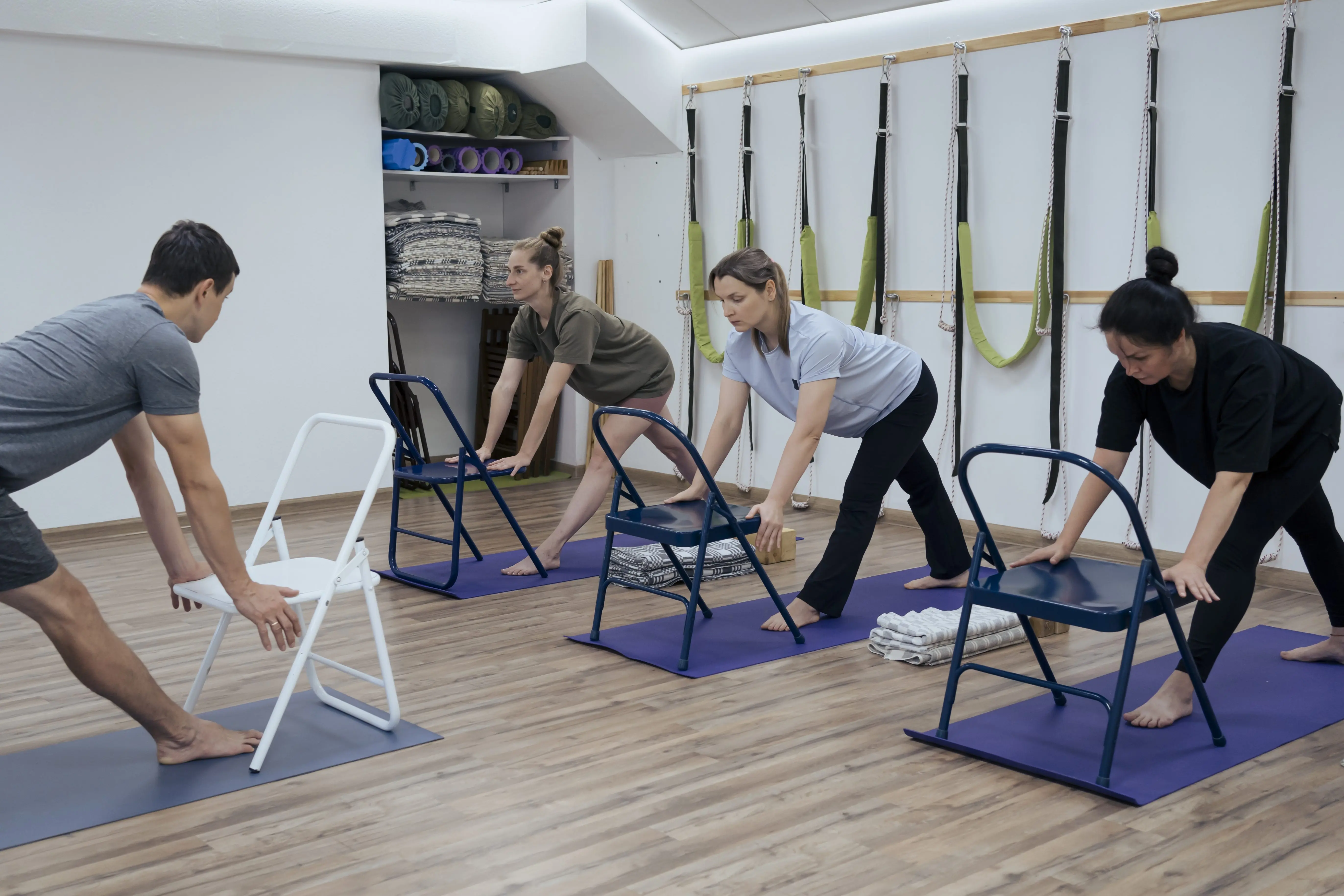
On a more encouraging note, accessible fitness options are gaining traction. Chair yoga, a modified form of traditional yoga, is proving especially beneficial for older adults and those with mobility challenges. Studies show that even 15-minute sessions can improve strength, flexibility, and overall well-being. The practice is also making its way into workplaces, where desk-bound employees are turning to chair yoga to reduce stress and support their health.